Several years ago, I was in the tail end of a failing marriage. My therapist asked me how I was holding up. I was clearly distraught, but I couldn't express what I was feeling.
From across the room, he texted me an image of an emotion wheel in the hopes that I might be able to spot a good word for what I was feeling. The wheel was bright, colorful, full of things I might be feeling, and completely unhelpful.
I read through the emotions listed. I knew all these words, but what was the difference between disappointed and let down? And betrayed, for that matter. I mean, that's a bit dramatic, isn't that like, Julius Caesar territory? I was hurt, sure, but not "15 knives in my literal back" hurt.
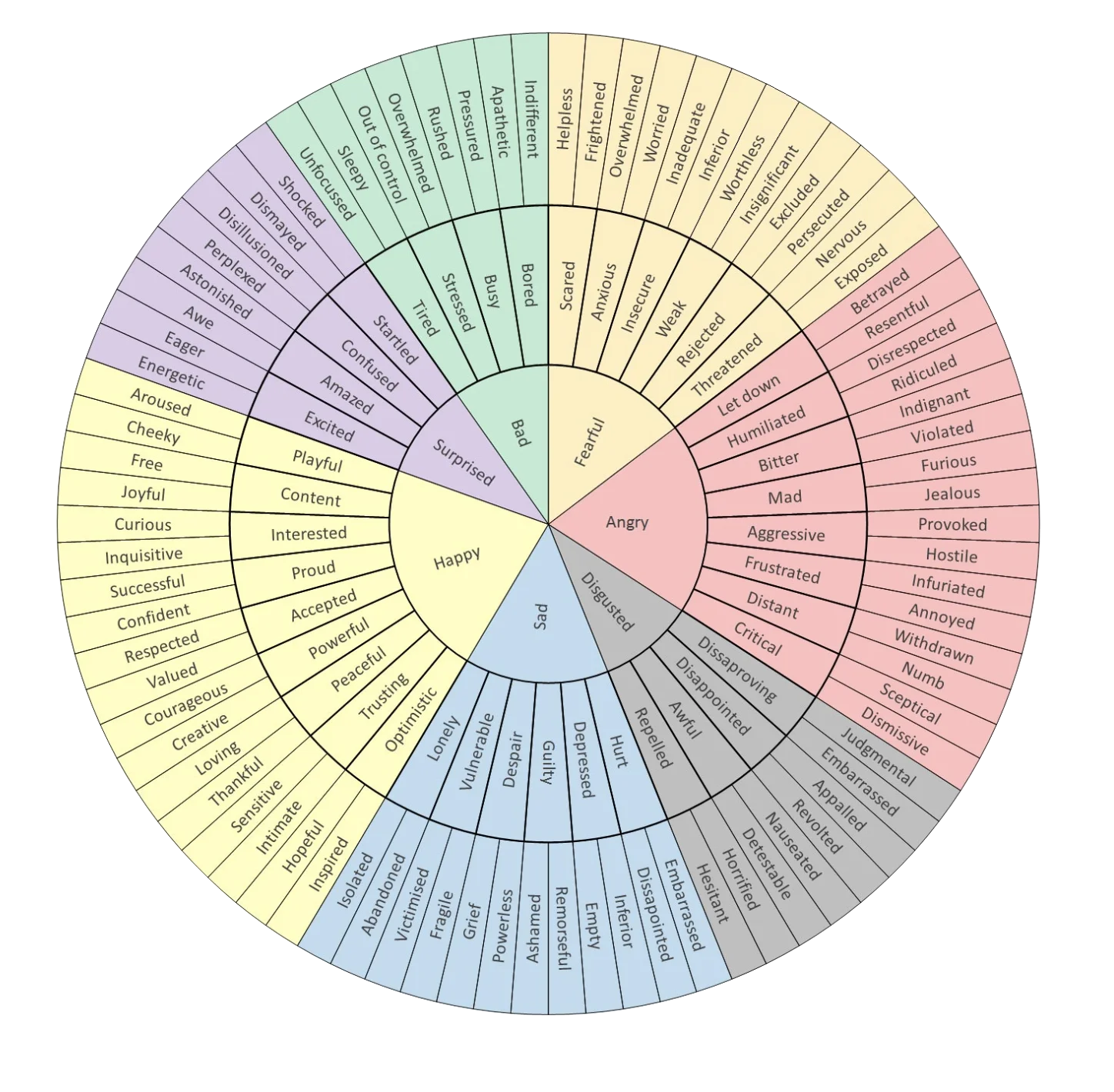
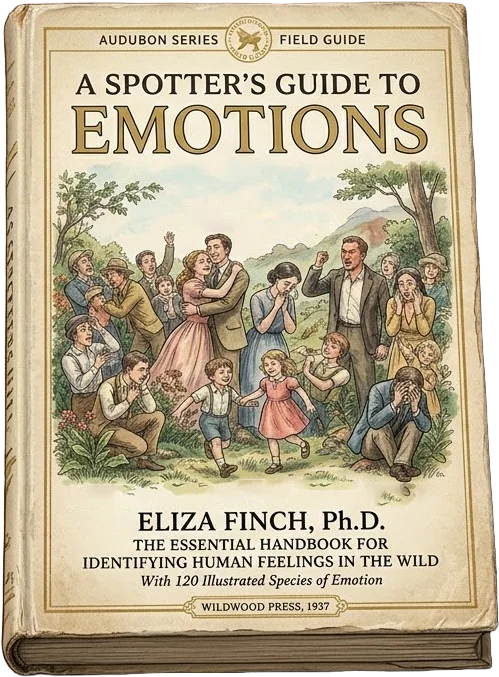
The wheel wasn't what I needed in that moment. What I was looking for was more like a... spotter's guide. Except instead of helping me identify edible mushrooms or see the subtle differences between different kinds of finches, I needed something that could help me recognize emotions in the wild. Label them. Tell them apart. Appreciate what they were doing. Understand if they were rare or dangerous. And most importantly, what I should do about them?
I looked for dictionaries, websites, writer's guides, thesauruses (or is that thesauri?), textbooks, self-help manuals, and more. I found plenty of resources. Many of them provided helpful pieces of what I was looking for, but none of them provided quite what I needed.
So, after years of notes, spreadsheets, references, and prototypes, I realized I needed a few things:
- Something I could take with me
- Definitions and regulation strategies
- A way to see and compare more than one emotion at a time
And so Sort Your Emotions was born.