Library

Resources

Not a comprehensive library, but here are the books, articles, talks, podcasts, films, and more that we've found useful when trying to understand emotions, or ourselves.
Each shelf will grow over time.

Books on emotions, psychology, philosophy, and more

The Bookshelf

Click any spine to learn more.
Book
Book 2021 For understanding

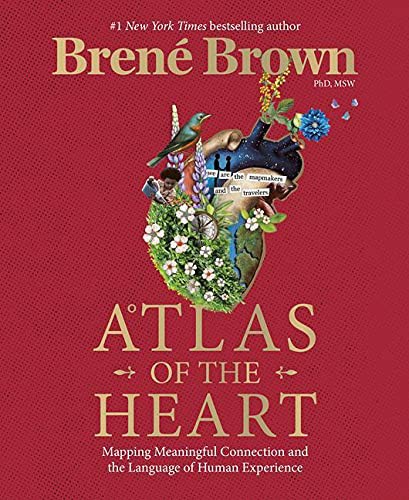
Atlas of the Heart

Brené Brown

Dozens of human experiences, grouped into categories. Most entries include helpful examples of others' experiences with strong emotional states and how they navigated them.

The book is at its best when explaining the hardest moments in life with compassion, letting us know we're not alone.

Brown goes beyond emotions into related areas we all need support with on our toughest days: topics like Boundaries, Cognitive Dissonance, and Dehumanization, among others.

Book
Book 2023 For understanding

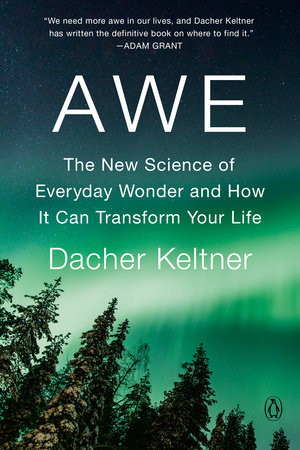
Awe

Dacher Keltner

Most emotion research is done on the more difficult, negative, or distressing emotions. There are countless books on grief, studies on stress, and research on depression. Scientific interest in positive emotions is relatively recent, and awe in particular had received almost no rigorous attention before Keltner started studying it.

In this book, he presents findings from narratives gathered from over 2,600 people across 26 countries, personal stories from individuals from numerous cultures, and approaches to cultivating awe in our lives. One counterintuitive finding: the most universal source of awe across cultures isn't nature or the cosmos — it's moral beauty, witnessing others' courage, kindness, or strength.

Book
Book 2003 For understanding

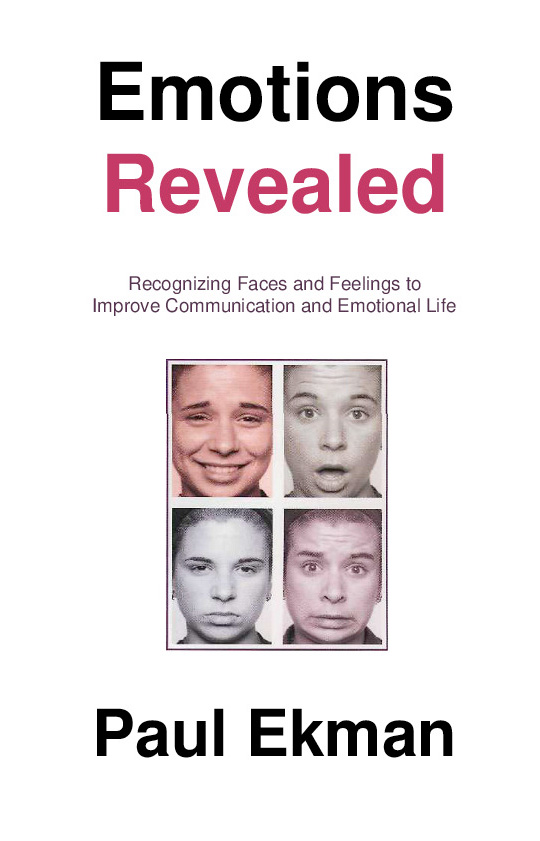
Emotions Revealed

Paul Ekman

Reads very much like a textbook. Ekman makes a large assumption that some core emotions are universal, and they look the same on everyone's faces. Later work calls some of this into question, but there's still great value in this book.

Highlights

  • The discussion of the different ways emotions form — from nearly universal automatic fear responses and learned responses, to emotions that depend more on our own thought processes.
  • Exercises to help the reader feel and explore emotions. Ekman takes readers through a real situation where an individual is experiencing genuine and extreme states of emotion. By mimicking the facial expressions of photos of those individuals, it's possible to briefly inhabit that emotion and notice what it feels like in your own body.
Book
Book 2017 For understanding

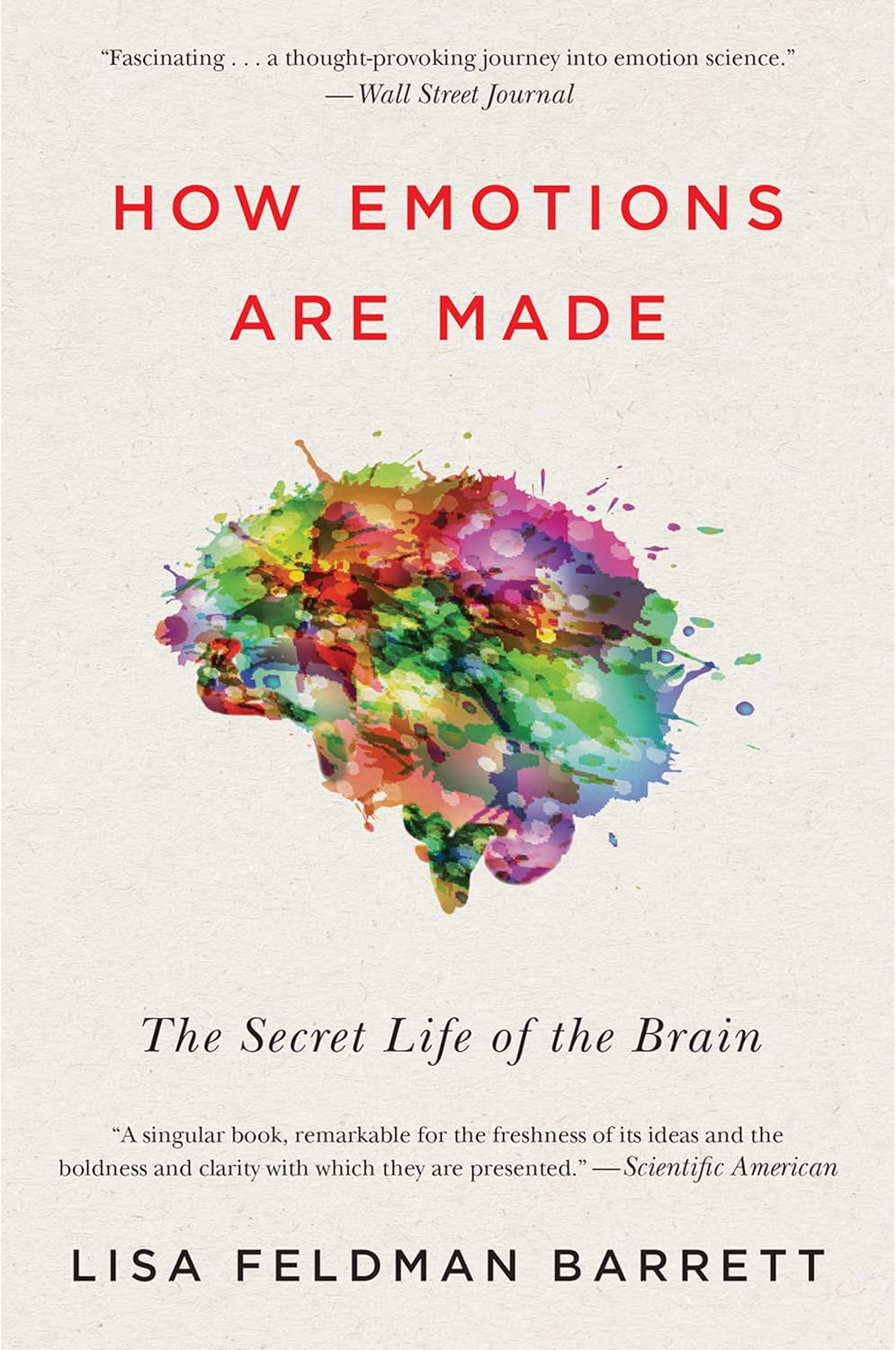
How Emotions Are Made

Lisa Feldman Barrett

Emotions aren't universal, raw, objective experiences common to all humans. They aren't hard-wired to travel through pre-defined brain circuitry.

Rather, emotions are constructed experiences: combinations of physical sensations, situational context, and our own thought processess.

Touching on psychology and sociology and moving into the realm of neuroscience, Dr. Lisa Feldman Barrett challenges many previously-accepted standards on emotion — and she brings the receipts.

Book
Book 2022 For understanding

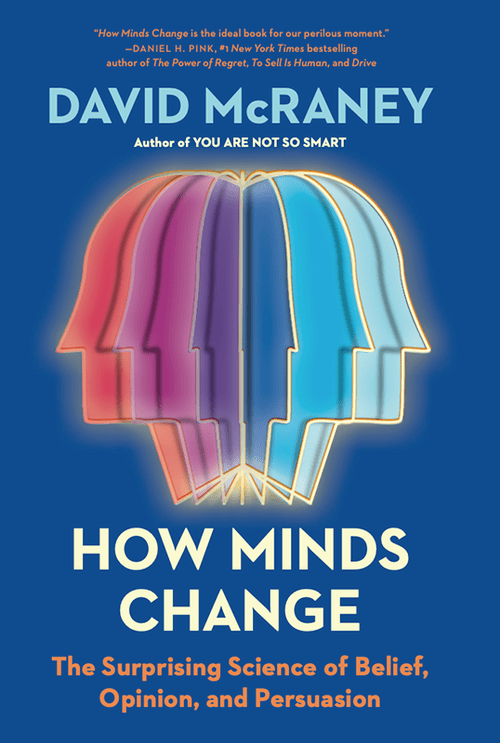
How Minds Change

David McRaney

While this book isn't expressly about emotions, there are strong emotional underpinnings to much of what McRaney covers as he explores the central question of how deeply-held beliefs and opinions can change: Personal identity. Group identity. Social and political views.

McRaney follows several stories: Someone who left the Westboro Baptist Church. Charlie Veitch, a prominent 9/11 conspiracy YouTuber who publicly changed his mind after meeting demolition experts and victims' families. And the work of the Leadership Lab at the Los Angeles LGBT Center, who through deep listening and long one-on-one conversations, managed to measurably shift individuals' opinions on public policy.

Book
Book 2025 For working through

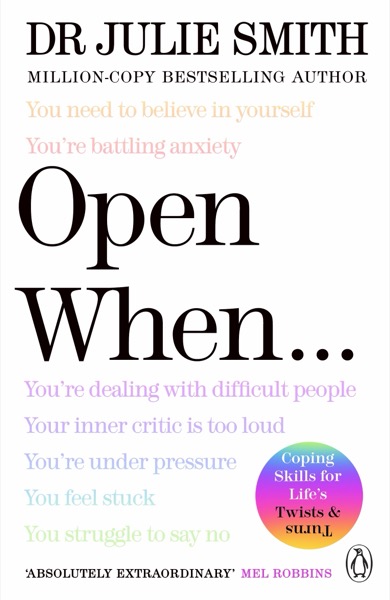
Open When...

Julie Smith

When you're going through a rough spot, Smith offers specific compassion for your situation — and better than that, there are tools and takeaways.

Give the Table of Contents a look. If any of those experiences match what you're dealing with right now, this is a quick way to get compassion, understanding, and support from Dr. Smith, a clinical psychologist. It can give you somewhere to start while you assess whether more direct support — like counseling or therapy — might also be needed.

Highlights:

  • The final seven chapters offer numerous tools for dealing with difficult emotions.
Book
Book 2014 For understanding

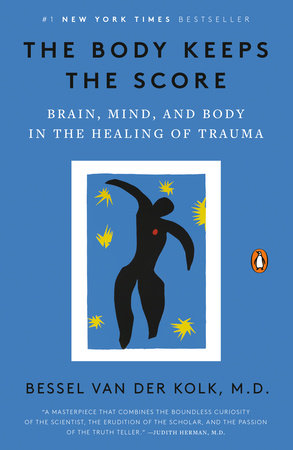
The Body Keeps the Score

Bessel van der Kolk, M.D.

Sensitive topics warning

This book is open and frank in its discussions of trauma. There are discussions of murder, rape, abuse, neglect, and many other heart-wrenching realities that some people (including children) face in their lives. While the acknowledgement of the events is in no way designed to shock or dwell on the matter, there are many potential triggers for anyone who, like me, has trauma in their own past.

Reading this book was, in itself, a step toward healing for me. A step toward understanding some of the experiences I've had. While alexithymia isn't limited to those who've experienced trauma, many of the anecdotes and stories provided me with additional insight into how alexithymia manifests for many traumatized individuals. And how the ability to identify what experiences we've had and how they've made us feel is an important part of healing.

Book
Book 2022 For relationships

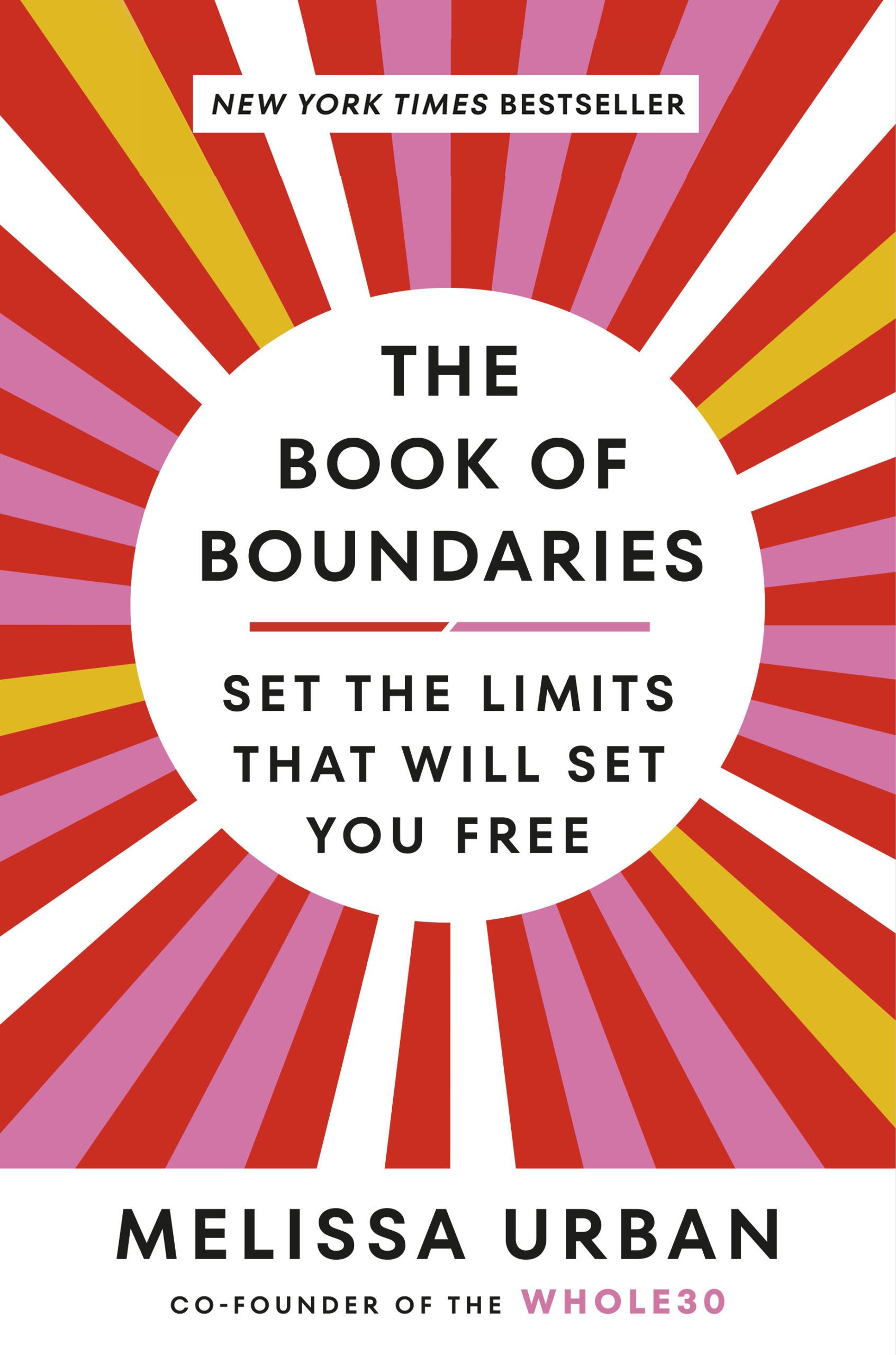
The Book of Boundaries

Melissa Urban

Boundaries can be scary, especially if you grew up being taught to be a people-pleaser and to not make a fuss. What sets this book apart is that Urban doesn't stop at explaining why boundaries matter. She gives you practical scripts you can use as a basis for how to set your own, clearly and directly.

If you're anything like me, one of the scariest parts of setting a boundary is wondering what happens next. Urban covers that too. There are layers of advice on how to defend, reiterate, and reinforce your limits across a wide range of scenarios. She can't predict the future, but her examples go a long way toward silencing my own inner pessimist's ceaseless "what if" thoughts.

Book
Book 2021 For understanding

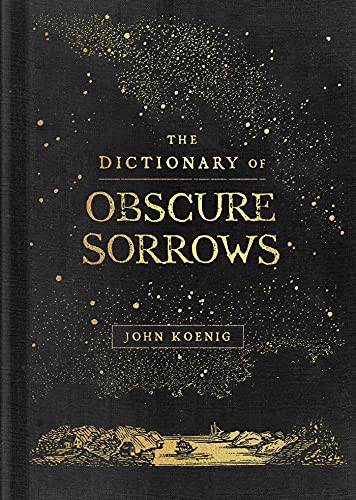
The Dictionary of Obscure Sorrows

John Koenig

Part dictionary, part art project, Koenig has coined brand new words to label relatable experiences, . They experiences themselves may not be common enough to ever merit adding the words to our day-to-day usage, but the mere knowing that someone else has experienced them comes as a relief.

Some Examples

hiddled adj. - feeling the loneliness of having to keep a secret to yourself. (Old English hidil, hiding place. Pronounced “hid-ld.”)

lilo n. - a friendship that can lie dormant for years only to pick right back up instantly, as if you’d seen each other last week. (From lifelong + lie low. Pronounced “lahy-loh.”)

Book
Book 2019 For reference

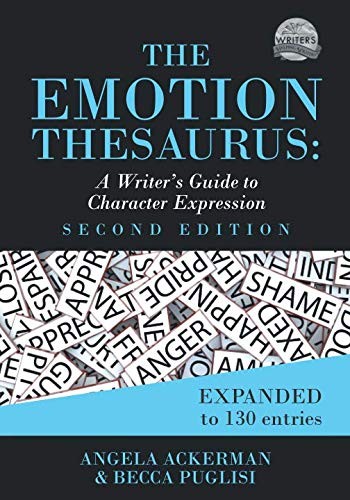
The Emotion Thesaurus

Angela Ackerman & Becca Puglisi

This book is designed to help writers show readers what characters are experiencing. For each emotion listed, there are numerous suggestions of what a character in the midst of feeling that emotion might say. The actions they might take. The things they might feel in their own bodies. Related emotions that this one might build or fade into.

This is so very nearly the book I was looking for. This book maps emotions to physical sensations, among other things. In practice, the sensations listed are all things that someone might experience, but everyone is different. With some work (and a spreadsheet), someone with affective alexithymia could conceivably reverse-engineer their own physical sensations as a sort of checklist, crossing out those that don't apply to them.

Book
Book 2022 For working through

Why Has Nobody Told Me This Before?

Julie Smith

"...here is my collection of the most important things I have learned so far that have helped both me and the people I work with in therapy to find our way through human struggle."

Dr. Smith succeeds in building a base layer of knowledge for many of the biggest emotions we need support with: why we experience things like stress, grief, and fear; actions to avoid because they won't help; tools to try because they do help; and what role things like resilience play in our overall emotional wellbeing.

While it isn't the same as visiting a competent therapist for specific help, this book lays out a large number of tools, resources, and ways of viewing our own human experiences. It has thoughtful and compassionate explanations for many of life's harder moments.

Book
Book 2024 For understanding

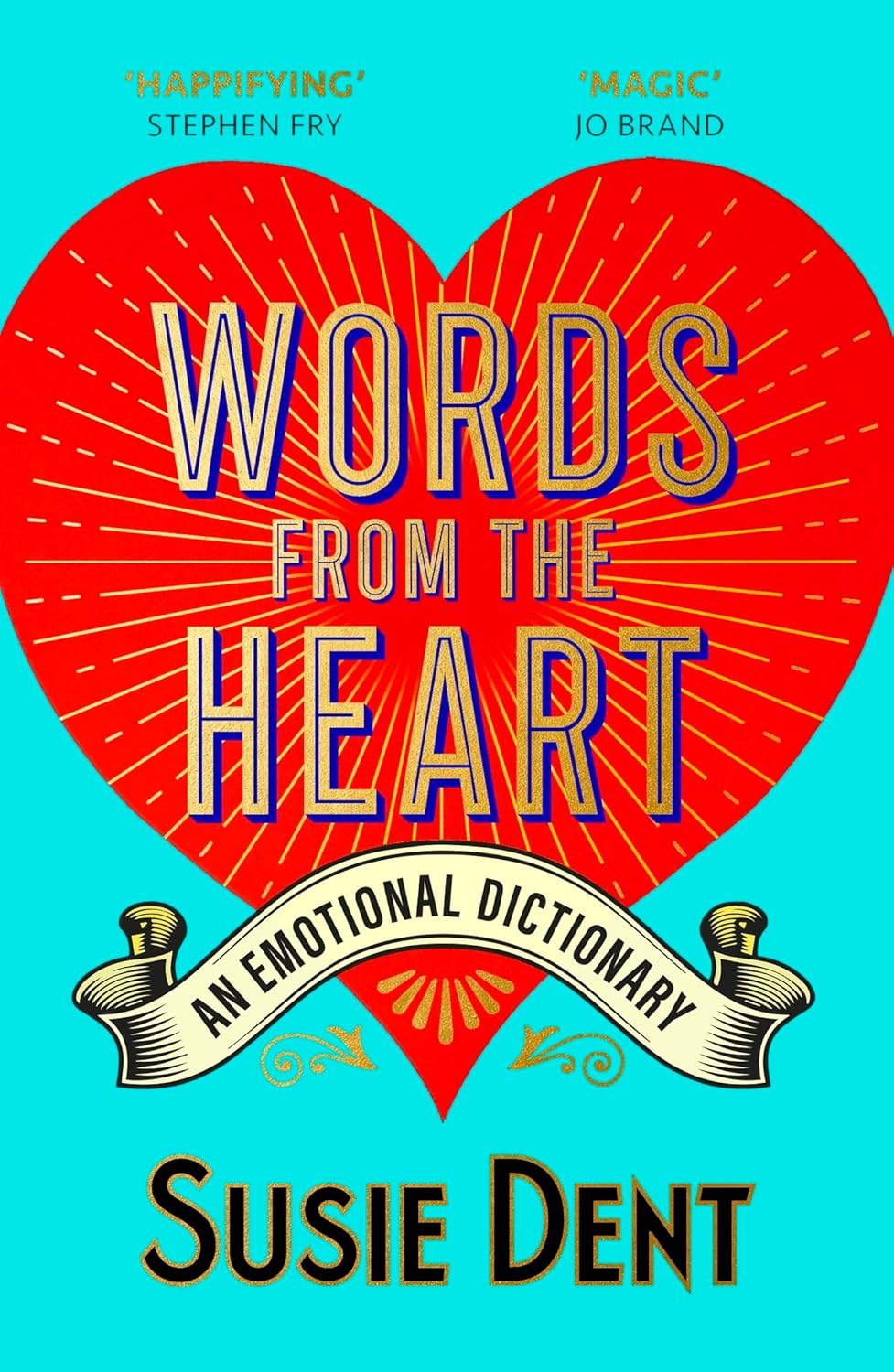
Words from the Heart

Susie Dent

"...recent research has made it clear that the ability to name how we feel is directly proportional to our happiness... those who draw on a wider range of vocabulary to express their emotions are far more able to cope with them."

From acatalepsy (the impossibility of comprehending the universe) to Zugzwang (a Chess term for a no-win situation), Dent has captured much of the breadth of the human experience with both humor and grace.

Susie Dent is clearly a lover and collector of words. To be clear, many of the words in this dictionary won't be added to your regular vocabulary. However, there's a strong sense of kinship to be felt with humanity at large, knowing that others have not only had the same experience as you, but have captured it in a word to share and discuss with others. Like Waldeinsamkeit (German for the spiritual feeling of being alone in the forest).

Book
Book 2011 For humility

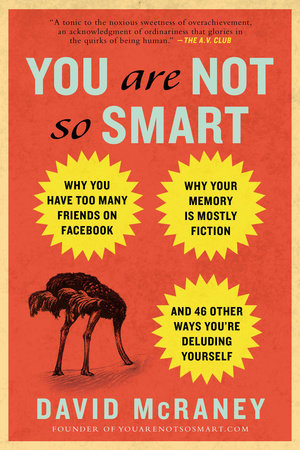
You Are Not So Smart

David McRaney

I have probably bought at least 10 copies of this book. I used to keep a copy in my drawer at work that I could hand to coworkers when it became relevant. And it did, ALL the time.

The book has numerous short chapters, each about a common way that we deceive ourselves. From common misconceptions about how human memory works to some of the more subtle cognitive biases that everyone should be aware of.

David McRaney has a knack for making psychology research not only understandable and relatable, but enjoyable. Better understanding ourselves and how our brains work makes it so much easier to be gentle with ourselves when, like all humans, we make mistakes or do things that we ourselves don't understand.

Book
Book 2013 For humility

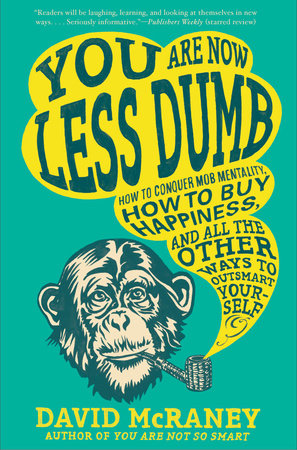
You Are Now Less Dumb

David McRaney

Like McRaney's previous book, this one covers a whole host of ways that we deceive ourselves. Unlike his first book, this one has longer chapters, each around a theme of related cognitive biases, mental heuristics, logical fallacies, and other misconceptions.

Videos

Worth Watching

Opens on YouTube
Websites

Additional Resources